The History of Loch Katrine and Stronachlachar in The Trossachs
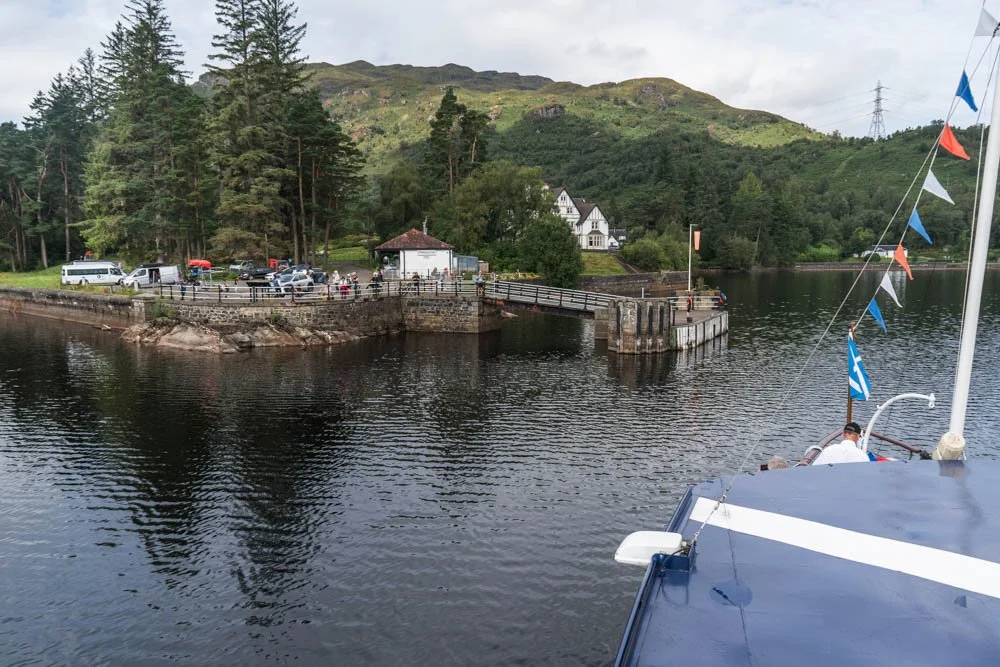
Standing on the western shore of Loch Katrine at Stronachlachar, it is difficult to imagine that this calm expanse of water and forested hillside has shaped Scotland’s literary imagination, engineering ambition and early tourism industry.
Today it feels peaceful and unspoilt. Yet this quiet shoreline has witnessed outlaw legend, royal ceremony, Victorian innovation and the birth of Scottish tourism.
Rob Roy MacGregor and the Gaelic Origins of Loch Katrine
The name Loch Katrine derives from the Gaelic Ceatharine, meaning “cattle thief”, a reference widely connected to the strong associations with cattle dealer and outlaw Rob Roy MacGregor.
Rob Roy was born in 1671 at Glengyle, directly across the water from Stronachlachar. He became renowned for extracting money for the safekeeping of Lowlanders’ cattle. The word “blackmail” is widely believed to originate from this practice, with “mail” meaning rent in old Scots.
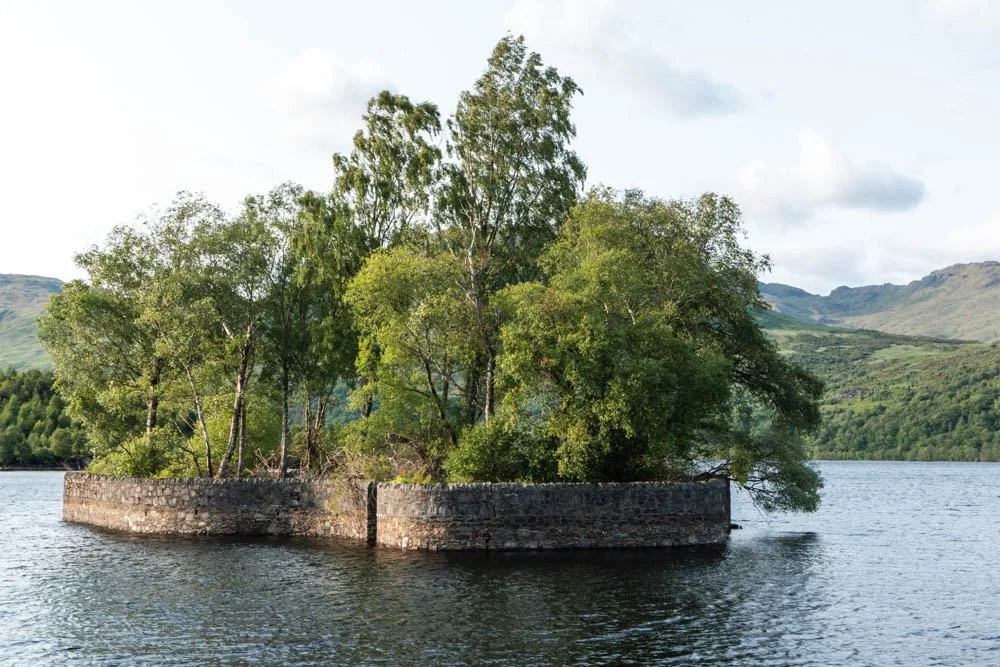
The small island visible from shore is known as Factor’s Island. During a dispute over tenants’ land rents with the Duke of Montrose, Rob Roy imprisoned the estate factor there. Before the water level of Loch Katrine was raised in 1859, the island was considerably larger.
The 1859 Loch Katrine Waterworks and the Transformation of Glasgow
In 1859, Loch Katrine became central to one of the most significant engineering achievements of Victorian Scotland.
A system of aqueducts and tunnels stretching 23.5 miles was constructed to carry fresh water from Loch Katrine to Glasgow. The entire scheme operates solely by gravity. Up to 120 million gallons of water can be extracted each day, taking approximately fourteen hours to reach the city, and it is still in use today.
The arrival of clean Highland water transformed public health in Scotland’s largest urban centre. The project remains operational today and continues to supply Glasgow and much of Central Scotland.
Queen Victoria’s Visits to Stronachlachar and Loch Katrine
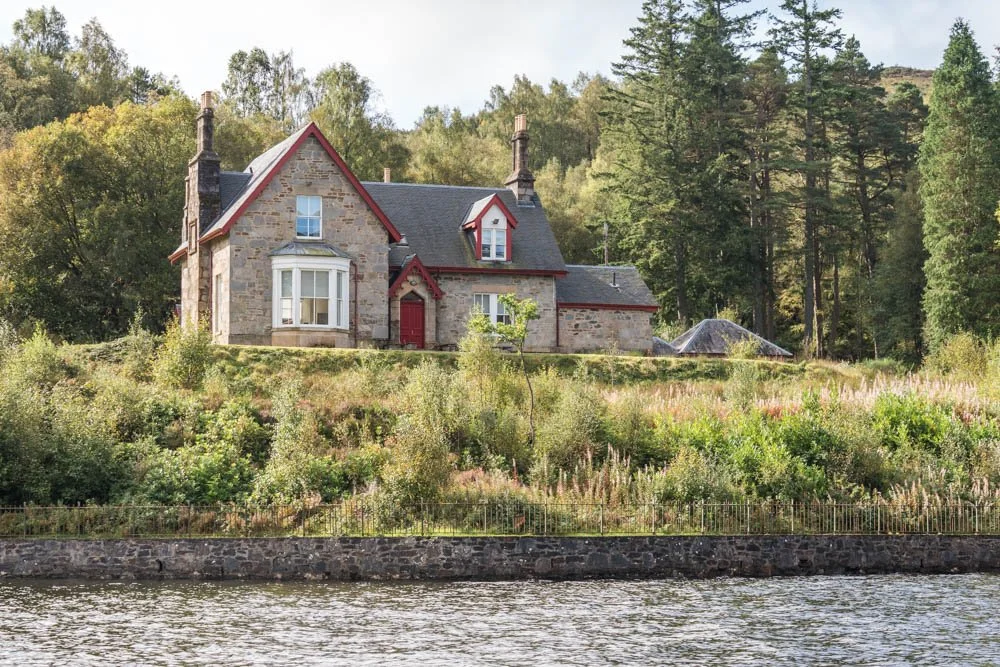
Queen Victoria travelled to Stronachlachar in 1859 aboard the steamer Rob Roy II, the vessel that preceded the Steamship Sir Walter Scott, to formally open the Loch Katrine waterworks. Nearby Royal Cottage was built for her visit.
Reports from the time describe thousands of people climbing the surrounding hills to greet the monarch as she arrived.
She returned in 1869 for a private visit to Loch Katrine, once more travelling by steamer and sketching the mountains and wooded slopes from the deck. The scenery she admired remains largely unchanged.
Sir Walter Scott, The Lady of the Lake and the Birthplace of Scottish Tourism
Although Rob Roy shaped the early history of the area, it was Sir Walter Scott who brought Loch Katrine to international prominence.
His 1810 poem The Lady of the Lake became an extraordinary success, selling 25,000 copies within its first eight months. Readers were captivated by his portrayal of Highland landscape, and Loch Katrine quickly became a destination for travellers eager to experience the scenery he described.
Scott’s fascination with the area inspired his 1817 novel Rob Roy, romanticising the outlaw and helping to establish the genre of historical fiction.
Loch Katrine is widely regarded as the birthplace of Scottish tourism. Visitors travelled by rail to the eastern end of the loch, boarded a steamship and disembarked at Stronachlachar as part of the famous Trossachs Tour. From here, horse-drawn carriages carried them onward towards Loch Lomond.
Rowing boats were the earliest vessels to carry sightseers across the water, later replaced by steamships that made the journey both fashionable and accessible.
The arrival of the railway boosted nearby Aberfoyle and Callander. Although the railway lines have long since closed, their routes now form part of National Cycle Network Route 7, continuing the tradition of travel through this landscape.
The Former Trossachs Hotel and the Continuing Tradition of Arrival
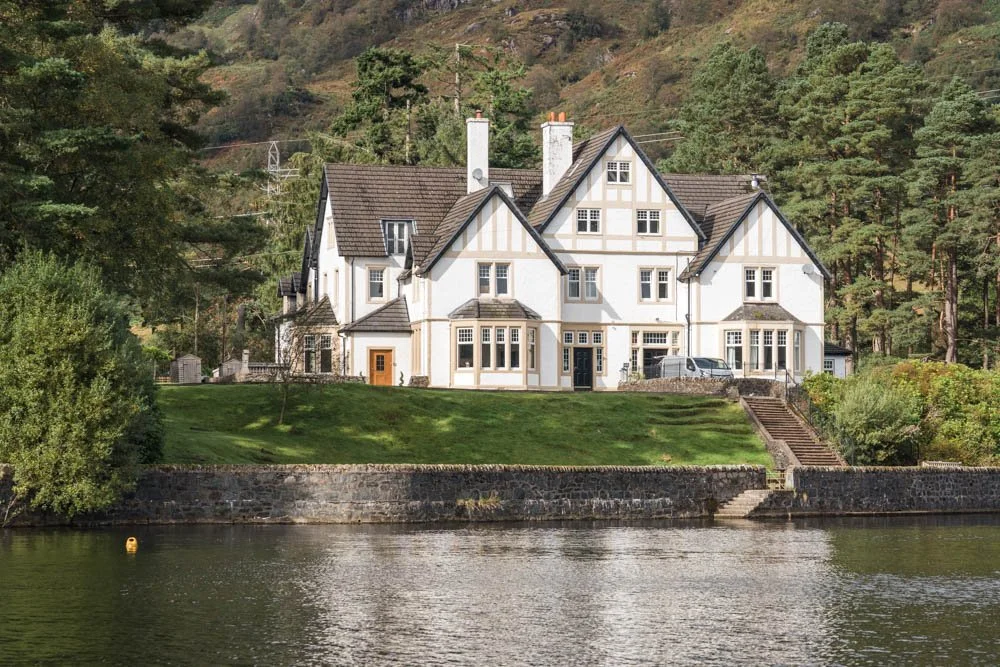
Our accommodation at Stronachlachar stands on the site of the former Trossachs Hotel, which played a key role in the Trossachs Tour during the Victorian and Edwardian era.
Travellers arrived by rail, crossed Loch Katrine by steamer, stayed at the hotel and continued their journey by carriage towards Loch Lomond. It was one of Scotland’s earliest coordinated holiday experiences, created by Thomas Cook. That tradition has never entirely disappeared. Today, the Steamship Sir Walter Scott still calls at Stronachlachar Pier twice daily during the sailing season.